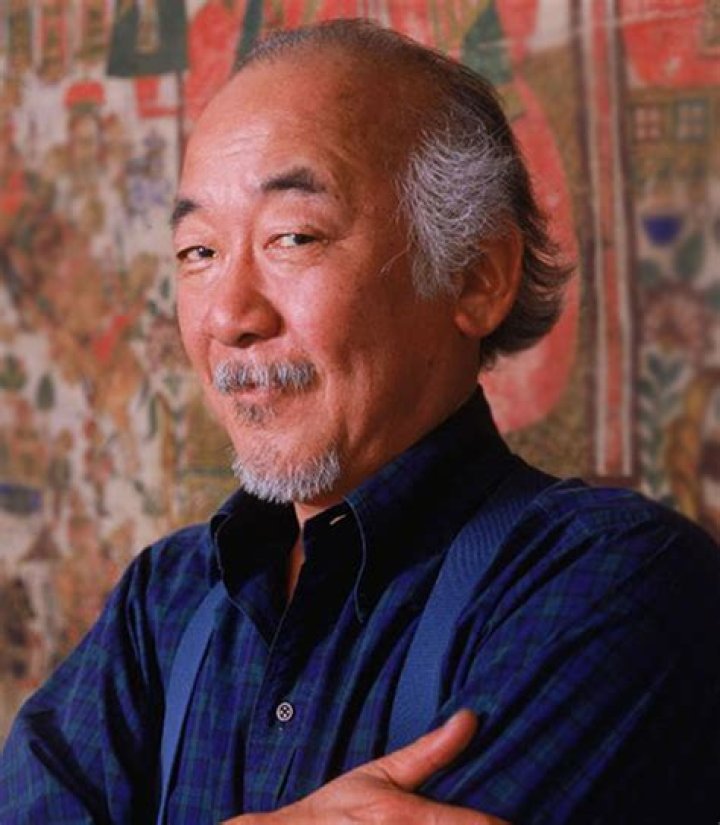
Formal picture ideas refer to a specific style of photography that adheres to traditional conventions and aesthetic norms. These images often capture individuals or groups in a posed and composed manner, typically in attire that reflects a sense of formality and elegance. The primary purpose of formal picture ideas is to create timeless and polished portraits that convey a sense of occasion and significance.
Formal picture ideas hold great importance in various contexts. They are frequently employed for special events such as weddings, graduations, and corporate functions, where the desire is to document the occasion in a manner that exudes professionalism and sophistication. Additionally, formal portraits are often used for official purposes, such as passports, visas, and LinkedIn profiles, where a sense of credibility and formality is paramount.
The history of formal picture ideas can be traced back to the early days of photography, when the medium was primarily used for portraiture. Over time, specific conventions and styles emerged, influenced by cultural norms and artistic movements. Today, formal picture ideas continue to be a popular choice for individuals seeking to capture a sense of occasion and create lasting memories.
Formal Picture Ideas
Formal picture ideas encompass a range of essential aspects that contribute to their distinct style and purpose. These elements work in harmony to create timeless and polished portraits that convey a sense of occasion and significance.
- Composition: Balanced and visually appealing arrangement of elements.
- Lighting: Controlled and flattering illumination to enhance features.
- Posing: Natural and flattering postures that convey confidence.
- Attire: Formal clothing that reflects the occasion's significance.
- Expression: Capturing authentic emotions and personality.
- Background: Clean and uncluttered backdrop that complements the subject.
- Accessories: Minimal and tasteful additions that enhance the overall look.
- Editing: Subtle and professional post-processing to refine the image.
These aspects are interconnected and interdependent. For instance, the composition of a formal picture idea should complement the posing of the subject, while the lighting should enhance the overall expression and mood. By carefully considering each of these elements, photographers can create formal portraits that are both visually stunning and emotionally resonant.
Composition
Composition plays a crucial role in formal picture ideas, as it determines the overall visual balance and appeal of the photograph. A well-composed formal portrait is one in which the elements are arranged in a harmonious and aesthetically pleasing manner, creating a sense of order and visual interest.
- Rule of Thirds: This compositional guideline divides the frame into thirds, both horizontally and vertically, creating nine equal sections. Placing important elements along these lines or at their intersections can create a dynamic and visually appealing image.
- Leading Lines: Lines within the image can be used to draw the viewer's eye towards the subject or to create a sense of depth. Leading lines can be found in architectural features, natural landscapes, or even the subject's clothing.
- Negative Space: The areas of the image that are not occupied by the subject are known as negative space. Negative space can be used to create a sense of balance and to highlight the subject.
- Symmetry and Asymmetry: Symmetry can create a sense of formality and order, while asymmetry can add a touch of dynamism and interest. The choice of symmetry or asymmetry depends on the desired mood and tone of the image.
By carefully considering the composition of a formal picture idea, photographers can create portraits that are both visually stunning and emotionally resonant. A well-composed image will guide the viewer's eye through the image, highlighting the subject and creating a sense of occasion and significance.
Lighting
In formal picture ideas, lighting plays a crucial role in enhancing the subject's features and creating a flattering and polished look. Controlled lighting allows photographers to manipulate the direction, quality, and intensity of light to achieve specific effects and convey different moods.
- Natural Light: Utilizing natural window light or outdoor settings can provide soft and flattering illumination, creating a natural and inviting atmosphere. Natural light is often preferred for capturing candid and authentic moments.
- Artificial Light: Studio lighting or portable flashes offer greater control over the lighting conditions, allowing photographers to shape and direct light to enhance specific features or create dramatic effects. Artificial light is particularly useful in low-light situations or when a specific mood or ambiance is desired.
- Soft Lighting: Soft lighting, achieved through diffusers or reflectors, minimizes harsh shadows and creates a flattering and ethereal look. It is commonly used for portraits where the emphasis is on capturing delicate features and smooth skin tones.
- Hard Lighting: Hard lighting, created by direct light sources, produces more defined shadows and a chiseled effect. It is often used to create dramatic and edgy portraits, emphasizing strong facial features and textures.
By understanding and utilizing different lighting techniques, photographers can create formal portraits that are not only visually appealing but also convey the desired mood and atmosphere, enhancing the subject's features and creating a lasting impression.
Posing
In formal picture ideas, posing plays a crucial role in capturing the subject's personality and expressing their confidence. Natural and flattering postures are essential for creating timeless portraits that convey a sense of poise and professionalism.
- Symmetrical Posing: Symmetrical poses create a sense of balance and formality. The subject is positioned centrally, with their weight evenly distributed and their posture upright. Symmetrical posing is often used for official portraits and corporate headshots.
- Asymmetrical Posing: Asymmetrical poses introduce a touch of dynamism and interest. The subject is positioned off-center, creating a sense of movement and engagement. Asymmetrical posing is often used for more relaxed and candid portraits.
- Standing Poses: Standing poses convey a sense of authority and confidence. The subject is positioned standing up, with their feet shoulder-width apart and their weight evenly distributed. Standing poses are often used for full-length portraits and group photos.
- Seated Poses: Seated poses create a more relaxed and intimate atmosphere. The subject is positioned sitting down, with their body relaxed and their hands. Seated poses are often used for portraits that focus on the subject's face and expression.
By understanding and utilizing different posing techniques, photographers can create formal portraits that capture the subject's unique personality and convey a sense of confidence and professionalism. These poses not only enhance the visual appeal of the image but also contribute to the overall impact and message it conveys.
Attire
In formal picture ideas, attire plays a crucial role in conveying the significance of the occasion and enhancing the overall impact of the portrait. Formal clothing is carefully chosen to reflect the nature of the event and the desired level of formality.
For special occasions such as weddings, graduations, and award ceremonies, attire typically follows traditional dress codes. For men, this may include a tuxedo, suit, or formal military uniform. For women, it may include a gown, cocktail dress, or formal pantsuit. The choice of attire should complement the venue and the overall ambiance of the event.
Beyond special occasions, formal attire is also essential for professional portraits used for business purposes. Headshots and corporate portraits often require subjects to wear clothing that conveys a sense of authority, credibility, and professionalism. This may include tailored suits, blazers, and dresses in neutral colors and understated patterns.
The connection between attire and formal picture ideas is significant because it helps to establish the context and purpose of the portrait. By choosing appropriate formal clothing, photographers and subjects can create images that convey the desired message and make a lasting impression.
Expression
In formal picture ideas, capturing authentic emotions and personality is paramount. Formal portraits are not merely about capturing a polished appearance; they are about creating a timeless representation of the individual's true self.
- The power of a genuine smile: A genuine smile can transform a formal portrait from stiff and posed to warm and inviting. It conveys a sense of happiness, confidence, and approachability, making the subject appear more relatable and authentic.
- The eyes: windows to the soul: The eyes are often said to be the windows to the soul, and in formal picture ideas, they play a crucial role in capturing the subject's personality. By capturing the subtle nuances and expressions in the eyes, photographers can convey a range of emotions, from joy and excitement to contemplation and introspection.
- Body language: communicating beyond words: Body language can speak volumes about a person's personality and state of mind. In formal picture ideas, photographers must be attentive to the subject's posture, gestures, and overall demeanor. These elements can reveal hidden emotions or convey a sense of confidence, power, or vulnerability.
- The importance of context: The context in which a formal portrait is taken can significantly impact the expression captured. Whether it's a graduation ceremony, a corporate headshot, or a family gathering, the photographer must consider the occasion and tailor their approach to capture the appropriate emotions and personality.
By capturing authentic emotions and personality in formal picture ideas, photographers create portraits that go beyond mere appearances. They create images that resonate with viewers on a deeper level, conveying the essence of the individual and preserving their true self for posterity.
Background
In the realm of formal picture ideas, the background plays a crucial role in enhancing the overall impact and professionalism of the portrait. A clean and uncluttered backdrop serves as a visual foundation that complements the subject, allowing them to take center stage and conveying a sense of order and elegance.
- Unifying the Composition: A clean background eliminates distractions and helps unify the composition, ensuring that the focus remains on the subject. By minimizing visual clutter, the photographer can create a harmonious and visually appealing image.
- Emphasizing the Subject: A well-chosen background can enhance the subject's presence and draw the viewer's attention to their features. By using a neutral or complementary backdrop, the photographer can create a contrast that makes the subject stand out and become the focal point of the portrait.
- Conveying Professionalism: A clean and uncluttered background exudes a sense of professionalism and sophistication. It suggests that the portrait was taken with care and attention to detail, conveying a positive impression of the subject and the photographer.
- Timeless Appeal: Formal portraits are often intended to be cherished for years to come. A clean background contributes to the timeless appeal of the image by avoiding distracting elements that may become outdated or lose their relevance over time.
By understanding and utilizing the power of a clean and uncluttered background, photographers can create formal portraits that are visually striking, professional, and enduring. It complements the subject, enhances the overall composition, and ensures that the portrait conveys the desired message and impression.
Accessories
In the realm of formal picture ideas, accessories play a subtle yet significant role in elevating the overall look and conveying a sense of refinement. Minimal and tasteful additions can enhance the subject's appearance, complement their attire, and add a touch of personal style to the portrait.
Accessories can serve various purposes in formal picture ideas. A well-chosen piece of jewelry, such as a necklace or earrings, can draw attention to the subject's face and add a touch of elegance. A pocket square or tie can complement the subject's suit, adding a subtle pop of color or pattern. In some cases, accessories can also convey cultural or personal significance, such as a family heirloom or a religious symbol.
The key to accessorizing for formal picture ideas lies in minimalism and taste. Accessories should never overpower the subject or distract from the overall composition. Instead, they should subtly enhance the subject's appearance and complement their personal style. By carefully selecting and incorporating accessories, photographers can create formal portraits that are both visually appealing and timeless.
Editing
In the realm of formal picture ideas, editing plays a crucial role in refining the final image and elevating its overall impact. Subtle and professional post-processing techniques can enhance the composition, correct imperfections, and bring out the best in the subject, resulting in a polished and timeless portrait.
Editing for formal picture ideas goes beyond basic adjustments like cropping and color correction. It involves meticulous attention to detail, ensuring that every element of the image is harmonious and contributes to the desired aesthetic. Retouching can be employed to smooth skin tones, remove blemishes, and enhance facial features, while dodging and burning techniques can be used to shape the lighting and create a more flattering illumination.
The key to successful editing for formal picture ideas is restraint and precision. Over-editing can result in an artificial or unnatural look, detracting from the authenticity and elegance of the portrait. Instead, editors should focus on subtle enhancements that refine the image without compromising its integrity.
By understanding the principles of editing and applying them with care, photographers can create formal portraits that are both visually stunning and professionally polished. These images will stand the test of time, serving as cherished keepsakes that capture the essence of the moment.
FAQs on Formal Picture Ideas
This section addresses frequently asked questions (FAQs) related to formal picture ideas, providing clear and informative answers to common concerns or misconceptions.
Question 1: What is the significance of formal picture ideas?
Formal picture ideas are essential for capturing special moments and occasions with a sense of professionalism and elegance. They convey a sense of importance and create lasting memories that can be cherished for years to come.
Question 2: What are the key elements to consider in formal picture ideas?
Formal picture ideas should prioritize composition, lighting, posing, attire, expression, background, accessories, and editing. Each element contributes to the overall impact and professionalism of the portrait.
Question 3: How do I choose the right attire for a formal picture?
Attire for formal picture ideas should reflect the occasion and convey a sense of sophistication. For special events, traditional formal wear such as tuxedos or gowns are appropriate, while business portraits may call for tailored suits or dresses.
Question 4: What is the best way to capture genuine emotions in formal portraits?
To capture authentic emotions, photographers should establish a rapport with the subject, provide clear direction, and be attentive to non-verbal cues. Encouraging natural smiles, engaging in conversation, and considering the context of the occasion can help elicit genuine expressions.
Question 5: How can I ensure a clean and uncluttered background in formal pictures?
To achieve a clean background, photographers can utilize natural backdrops with minimal distractions or use a seamless backdrop in a studio setting. Careful positioning of the subject and control of lighting can further enhance the separation between the subject and the background.
Question 6: What is the role of editing in formal picture ideas?
Editing plays a vital role in refining formal portraits. Subtle adjustments to lighting, color, and contrast can enhance the overall look and feel of the image. Retouching can be used to remove blemishes or imperfections while preserving the natural features of the subject.
Understanding these key aspects and addressing common concerns can help photographers create formal picture ideas that are both visually stunning and professionally executed.
Transition to the next article section: Formal picture ideas offer a timeless and elegant way to capture special moments and occasions. By carefully considering the elements discussed above, photographers can create portraits that convey a sense of importance, professionalism, and authenticity.
Tips for Formal Picture Ideas
Formal picture ideas require careful planning and execution to achieve a polished and professional result. Here are some essential tips to consider:
Plan the Composition:
Choose a balanced and visually appealing composition. Consider the rule of thirds, leading lines, and negative space to create a dynamic and engaging image.
Control the Lighting:
Utilize natural or artificial light to enhance features and create the desired mood. Experiment with different lighting angles and intensities to achieve a flattering and dramatic effect.
Pay Attention to Posing:
Guide the subject into natural and flattering poses that convey confidence and professionalism. Consider both symmetrical and asymmetrical poses, as well as standing and seated positions.
Choose Appropriate Attire:
Select formal attire that reflects the occasion and the desired level of formality. Consider the color, style, and fit to create a polished and sophisticated look.
Capture Genuine Expressions:
Encourage the subject to relax and express genuine emotions. Engage in conversation, provide clear direction, and be attentive to non-verbal cues to capture authentic smiles and expressions.
Ensure a Clean Background:
Minimize distractions in the background by choosing a simple and uncluttered setting. Utilize natural backdrops or seamless backdrops in a studio environment to achieve a clean and professional look.
Summary:
By following these tips, photographers can create formal picture ideas that are visually stunning, professionally executed, and capable of capturing the essence of the occasion and the subject's personality.
Conclusion:
Formal picture ideas offer a timeless and elegant way to preserve special moments and create lasting memories. With careful planning and attention to detail, photographers can produce portraits that convey a sense of importance, professionalism, and authenticity.
Conclusion
Formal picture ideas encompass a range of essential aspects that contribute to their distinct style and purpose. By carefully considering composition, lighting, posing, attire, expression, background, accessories, and editing, photographers can create portraits that are both visually stunning and emotionally resonant.
Formal picture ideas serve to capture special moments and occasions with a sense of professionalism and elegance. They transcend time, becoming cherished keepsakes that encapsulate the essence of the subject and the significance of the event. Whether it's a graduation, wedding, corporate headshot, or family gathering, formal portraits provide a timeless way to preserve memories and create a lasting legacy.
Unveiling Asian Da Brat's Net Worth: A Journey Of Success And Insight
Uncover The Secrets Of Jake Stone State Farm: Your Guide To Insurance Expertise
Unveiling The Brilliance Of Puerto Rican Male Actors: Hidden Gems And Inspiring Stories