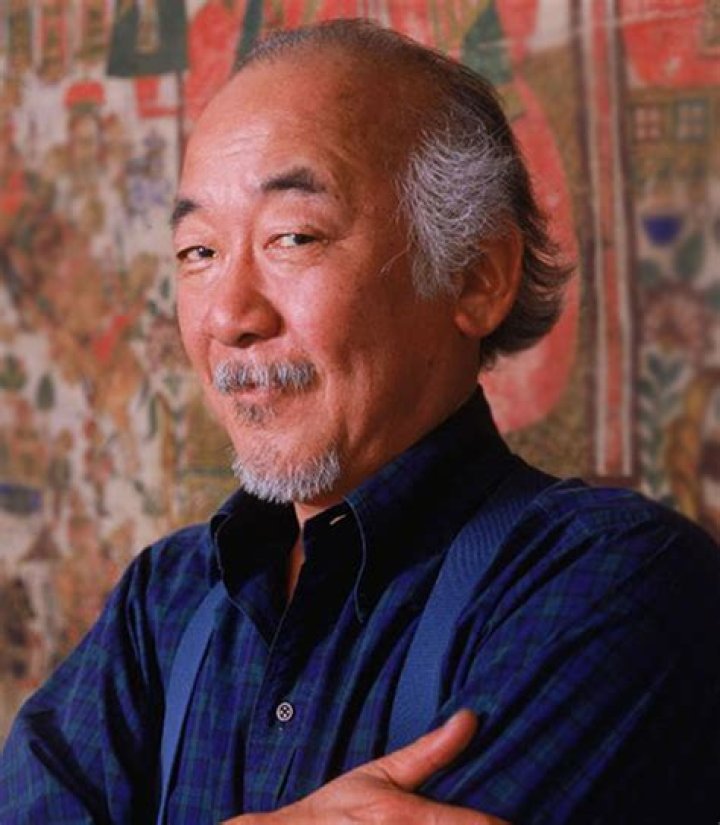
Miyako Fujitani is a Japanese-born visual artist and filmmaker known for her experimental films and video installations that explore themes of memory, identity, and the body.
Fujitani's work has been exhibited internationally at venues such as the Museum of Modern Art in New York, the Tate Modern in London, and the Centre Pompidou in Paris. She has also received numerous awards for her work, including the Golden Lion at the Venice Biennale in 1997.
Fujitani's work is often characterized by its use of found footage and archival materials, which she combines with original footage to create dreamlike and surreal narratives. In her films, she often explores the relationship between personal and collective memory, and the ways in which the past can shape the present.
Miyako Fujitani
Miyako Fujitani's work as a Japanese-born visual artist and filmmaker explores profound themes through distinct artistic approaches, from experimental films to video installations. Eight key aspects that illuminate her creative vision are:
- Memory: Fujitani's films often explore the relationship between personal and collective memory.
- Identity: Her work frequently delves into the complexities of identity, both personal and cultural.
- Body: The body is a recurring subject in Fujitani's work, often examined through the lens of memory and identity.
- Found footage: Fujitani frequently incorporates found footage and archival materials into her work.
- Dreamlike: Her films are often characterized by their dreamlike and surreal narratives.
- Experimental: Fujitani's work consistently pushes the boundaries of experimental filmmaking.
- International recognition: Fujitani's work has been exhibited internationally and garnered prestigious awards.
- Social commentary: Fujitani's work often explores social and political issues, particularly those related to gender and identity.
These aspects converge in Fujitani's distinctive style, inviting viewers to engage with profound themes through the artist's unique and thought-provoking lens.
Memory
Miyako Fujitani's films frequently delve into the intricate relationship between personal and collective memory, examining how individual experiences intertwine with broader historical and social narratives.
- Fragmentation and Reconstruction
Fujitani's films often explore the fragmented and subjective nature of memory, showing how personal recollections can be shaped by trauma, loss, and the passage of time. Her work also examines the ways in which collective memory is constructed and reconstructed, often through official narratives and cultural mythologies.
- Memory as a Site of Resistance
Fujitani's films challenge dominant historical narratives and explore the ways in which marginalized voices and experiences can be erased or distorted. Her work gives voice to those who have been silenced, using memory as a form of resistance and empowerment.
- The Body as a Repository of Memory
Fujitani's films often explore the body as a site of memory, showing how personal and collective experiences are inscribed on the physical body. Her work examines the ways in which trauma, pain, and joy can be stored in the body and passed down through generations.
- Memory and the Moving Image
Fujitani's use of the moving image is central to her exploration of memory. Film and video allow her to capture and manipulate time, creating dreamlike and surreal narratives that evoke the fluidity and unreliability of memory.
Through her exploration of the relationship between personal and collective memory, Miyako Fujitani's films offer a profound and nuanced understanding of the ways in which the past shapes the present and the future.
Identity
Miyako Fujitani's work consistently explores the complexities of identity, examining the ways in which personal experiences intersect with cultural and social forces. Her films and video installations often focus on marginalized communities and individuals, shedding light on the challenges and complexities of identity formation in a rapidly changing world.
One of the key themes in Fujitani's work is the fluidity and constructed nature of identity. She challenges traditional notions of identity as fixed and immutable, instead showing how identity is constantly shaped and reshaped by our experiences, relationships, and the broader social and political context.
Fujitani's work also explores the ways in which identity can be a source of both empowerment and oppression. She shows how individuals and communities can use their identity as a source of strength and resistance, while also acknowledging the ways in which identity can be used to exclude and marginalize others.
Through her exploration of identity, Miyako Fujitani's work offers a nuanced and thought-provoking examination of one of the most fundamental aspects of the human experience.
Body
Miyako Fujitani's work frequently explores the complex relationship between the body, memory, and identity. She uses the body as a site to explore personal and collective histories, traumas, and experiences. By examining the body through the lens of memory and identity, Fujitani challenges traditional notions of the body as a fixed and unchanging entity.
In her films and video installations, Fujitani often uses her own body as a subject, creating deeply personal and introspective works. Through self-portraiture and performance, she investigates the ways in which the body can be a vessel for memory, trauma, and desire. Her work also explores the social and political forces that shape our bodies and identities, particularly in relation to gender, race, and sexuality.
Fujitani's work has been praised for its honesty, rawness, and vulnerability. She offers a unique and powerful perspective on the body, memory, and identity, inviting viewers to reflect on their own experiences and relationships to their bodies.
Found footage
Miyako Fujitani's extensive use of found footage and archival materials in her work plays a pivotal role in her artistic process and the themes she explores. By incorporating these materials, she challenges traditional notions of authorship, narrative, and historical representation.
- Memory and History
Fujitani's use of found footage allows her to explore the construction of memory and history. She juxtaposes personal and collective memories, often using archival materials to create a dialogue between the past and present. This approach challenges traditional historical narratives and opens up space for marginalized voices.
- Identity and Representation
Fujitani's incorporation of found footage also allows her to explore issues of identity and representation. By using images and materials from different cultures and time periods, she questions the dominant narratives that shape our understanding of identity. Her work challenges stereotypes and encourages viewers to consider the complexities of identity formation.
- Experimental Storytelling
Found footage provides Fujitani with a rich source ofmaterial for experimental storytelling. She manipulates and recontextualizes these materials, creating dreamlike and surreal narratives that challenge conventional storytelling techniques. This approach allows her to explore complex themes in a non-linear and open-ended way.
- Collaborative Practice
Fujitani's use of found footage often involves collaboration with other artists and researchers. She shares and exchanges materials, creating a collective process of meaning-making. This approach emphasizes the interconnectedness of memory, history, and identity, and challenges the notion of the artist as a solitary genius.
In conclusion, Miyako Fujitani's incorporation of found footage and archival materials into her work is a crucial aspect of her artistic practice. It allows her to explore memory, history, identity, and representation in unique and thought-provoking ways. By challenging traditional notions of authorship, narrative, and historical representation, Fujitani's work opens up new possibilities for storytelling and encourages viewers to engage critically with the world around them.
Dreamlike
Miyako Fujitani's films are often characterized by their dreamlike and surreal narratives, creating a unique and immersive viewing experience that challenges conventional storytelling techniques. This approach plays a crucial role in her exploration of memory, identity, and history.
The dreamlike quality of Fujitani's films is achieved through her skillful use of editing, sound design, and cinematography. She juxtaposes disparate images and sounds, creating a sense of disorientation and unease. This disorientation reflects the fragmented and subjective nature of memory, as well as the complexities of identity formation in a rapidly changing world.
Fujitani's surreal narratives often defy logical explanation, inviting viewers to engage with her work on a deeper, intuitive level. Her films explore the subconscious mind, dreams, and the hidden dimensions of reality. By blurring the lines between the real and the imagined, Fujitani challenges viewers to question their own perceptions and assumptions.
The dreamlike and surreal elements in Fujitani's films are not merely aesthetic choices; they are integral to her exploration of complex themes. Through her unique visual language, Fujitani invites viewers to confront their own memories, identities, and place in the world.
Experimental
Miyako Fujitani's experimental filmmaking approach is a defining characteristic of her artistic practice, allowing her to explore unconventional narratives, techniques, and forms of storytelling. This experimental approach manifests in several key facets:
- Formal Innovation
Fujitani's films often challenge traditional cinematic conventions, employing innovative editing techniques, unconventional camera work, and experimental sound design. She experiments with different film formats, from Super 8 to digital video, and incorporates found footage and archival materials into her work, creating visually striking and thought-provoking films. - Narrative Experimentation
Fujitani's films often defy traditional narrative structures, exploring non-linear, fragmented, and dreamlike narratives. She juxtaposes disparate images and sounds, creating a sense of disorientation and unease. This narrative experimentation reflects the fragmented and subjective nature of memory and identity, as well as the complexities of human experience. - Immersive Experiences
Fujitani's experimental approach extends to her installations and video works, which often create immersive and multisensory experiences for the viewer. She uses multiple screens, projections, and sound to create environments that envelop the viewer and challenge their perceptions. - Collaboration and Interdisciplinarity
Fujitani frequently collaborates with other artists, musicians, and scholars, bringing diverse perspectives and disciplines into her work. This interdisciplinary approach allows her to explore new possibilities for storytelling and create unique and thought-provoking experiences.
Through her experimental filmmaking approach, Miyako Fujitani pushes the boundaries of cinematic expression, challenging conventional notions of storytelling and creating immersive and thought-provoking experiences for her viewers.
International recognition
Miyako Fujitani's international recognition is a testament to the significance and impact of her artistic practice. Her work has been exhibited at prestigious venues around the world, including the Museum of Modern Art in New York, the Tate Modern in London, and the Centre Pompidou in Paris. Furthermore, she has received numerous awards for her work, including the Golden Lion at the Venice Biennale in 1997.
- Critical Acclaim and Legitimacy
Fujitani's international recognition has brought her critical acclaim and established her as a leading figure in contemporary art. Her work has been praised by critics for its originality, its exploration of complex themes, and its innovative use of cinematic techniques. - Global Reach and Influence
The international reach of Fujitani's work has allowed her to connect with a global audience and influence the development of contemporary art worldwide. Her films and installations have been screened and exhibited in countries across the globe, inspiring other artists and shaping the discourse on contemporary art. - Cross-Cultural Dialogue
Fujitani's international recognition has facilitated cross-cultural dialogue and exchange. Her work has been exhibited in diverse cultural contexts, enabling viewers from different backgrounds to engage with her unique artistic vision and explore shared human experiences. - Artistic Innovation
The recognition and support Fujitani has received have allowed her to continue pushing the boundaries of artistic innovation. Her international success has provided her with the resources and opportunities to experiment with new ideas and techniques, contributing to the evolution of contemporary art.
Miyako Fujitani's international recognition reflects the exceptional quality and significance of her artistic practice. It has not only brought her critical acclaim but also established her as a global force in contemporary art, inspiring and influencing artists and audiences worldwide.
Social Commentary
Miyako Fujitani's artistic practice is deeply engaged with social commentary, exploring social and political issues, particularly those related to gender and identity. Her work sheds light on the complexities of social structures, power dynamics, and the experiences of marginalized communities.
- Identity and Representation
Fujitani's work challenges conventional notions of identity and representation, particularly in relation to gender and ethnicity. She explores the ways in which social and political forces shape our identities and the ways in which these identities are represented in media and culture.
- Power Dynamics
Fujitani's work often examines power dynamics, particularly those related to gender and race. She explores the ways in which power structures shape individual experiences and social interactions, and the ways in which these power dynamics can be challenged and transformed.
- Marginalized Voices
Fujitani's work gives voice to marginalized communities and individuals, whose experiences are often overlooked or silenced in mainstream narratives. She amplifies their stories and perspectives, challenging dominant narratives and promoting a more inclusive and equitable society.
- Social Justice
Fujitani's work is driven by a commitment to social justice. She uses her art as a platform to raise awareness about important social and political issues, and to inspire viewers to reflect on their own role in creating a more just and equitable world.
Miyako Fujitani's social commentary is an integral part of her artistic practice. Through her work, she challenges societal norms, promotes inclusivity, and advocates for social change, making a significant contribution to contemporary art and social discourse.
Frequently Asked Questions about Miyako Fujitani
This section addresses common inquiries and misconceptions surrounding Miyako Fujitani, her artistic practice, and her impact on contemporary art.
Question 1: What are the key themes explored in Miyako Fujitani's work?Fujitani's work delves into profound themes such as memory, identity, the body, and social commentary, particularly related to gender and identity.
Question 2: How does Fujitani's use of found footage contribute to her artistic expression?Incorporating found footage allows Fujitani to challenge traditional notions of authorship, narrative, and historical representation, while exploring the construction of memory and history.
Question 3: What is the significance of the dreamlike and surreal elements in Fujitani's films?Fujitani's dreamlike and surreal narratives reflect the fragmented and subjective nature of memory, invite viewers to engage intuitively, and challenge their perceptions of reality.
Question 4: How has Fujitani's experimental filmmaking approach influenced contemporary art?Fujitani's experimental techniques, including unconventional editing, narrative structures, and immersive experiences, have pushed the boundaries of cinematic expression and inspired other artists.
Question 5: What is the global impact of Miyako Fujitani's work?Fujitani's international recognition and exhibitions have established her as a global force in contemporary art, facilitating cross-cultural dialogue and influencing artistic innovation worldwide.
Question 6: How does Fujitani's work contribute to social discourse?Fujitani's social commentary explores issues of identity, power dynamics, and marginalized voices, raising awareness, challenging societal norms, and advocating for a more just and equitable society.
In conclusion, Miyako Fujitani's artistic practice encompasses a diverse range of themes and approaches, making significant contributions to contemporary art and social discourse.
Transition to the next article section...
Tips Inspired by Miyako Fujitani's Artistic Approach
Miyako Fujitani's innovative artistic practice offers valuable insights and techniques that can inspire creativity and enhance storytelling.
Tip 1: Embrace Experimentation
Fujitani challenges conventional filmmaking techniques, encouraging experimentation with editing, camera work, and sound design. Embrace unconventional approaches to push artistic boundaries and create unique visual experiences.
Tip 2: Explore Found Footage
Incorporate found footage and archival materials to add depth and historical context to your work. By juxtaposing existing materials with original footage, you can create thought-provoking narratives and challenge traditional notions of authorship.
Tip 3: Create Dreamlike Atmospheres
Fujitani's films often evoke dreamlike states through surreal imagery and fragmented narratives. Experiment with dreamlike sequences to explore the subconscious mind, evoke emotions, and challenge logical storytelling.
Tip 4: Examine Identity and Representation
Fujitani's work delves into complex issues of identity and representation. Explore the ways in which social and cultural forces shape our identities, and challenge stereotypes through inclusive storytelling.
Tip 5: Engage in Social Commentary
Use your artistic platform to raise awareness about important social and political issues. Fujitani's work often addresses gender, race, and power dynamics, inspiring viewers to reflect on their role in creating a more just and equitable society.
Summary
By incorporating these tips inspired by Miyako Fujitani's artistic approach, you can push creative boundaries, explore profound themes, and create impactful and thought-provoking works of art.
Transition to the article's conclusion...
Conclusion
Miyako Fujitani's distinctive artistic vision and innovative filmmaking techniques have established her as a leading figure in contemporary art. Through experimental storytelling, exploration of memory and identity, and social commentary, Fujitani's work challenges conventional narratives and prompts profound reflection on the human experience.
Her incorporation of found footage, dreamlike atmospheres, and focus on marginalized voices offer valuable insights for aspiring artists and filmmakers. By embracing experimentation, exploring complex themes, and using art as a platform for social engagement, we can contribute to a more nuanced understanding of the world and its diverse perspectives.